Nexus and FoodCult
On 16th October 2021, Susan presented some initial findings from the FoodCult Brewing Project at the National Monuments Service Nexus: People and Places Through Time Conference. The lecture is now available as an online podcast.



On 16th October 2021, Susan presented some initial findings from the FoodCult Brewing Project at the National Monuments Service Nexus: People and Places Through Time Conference. The lecture is now available as an online podcast.


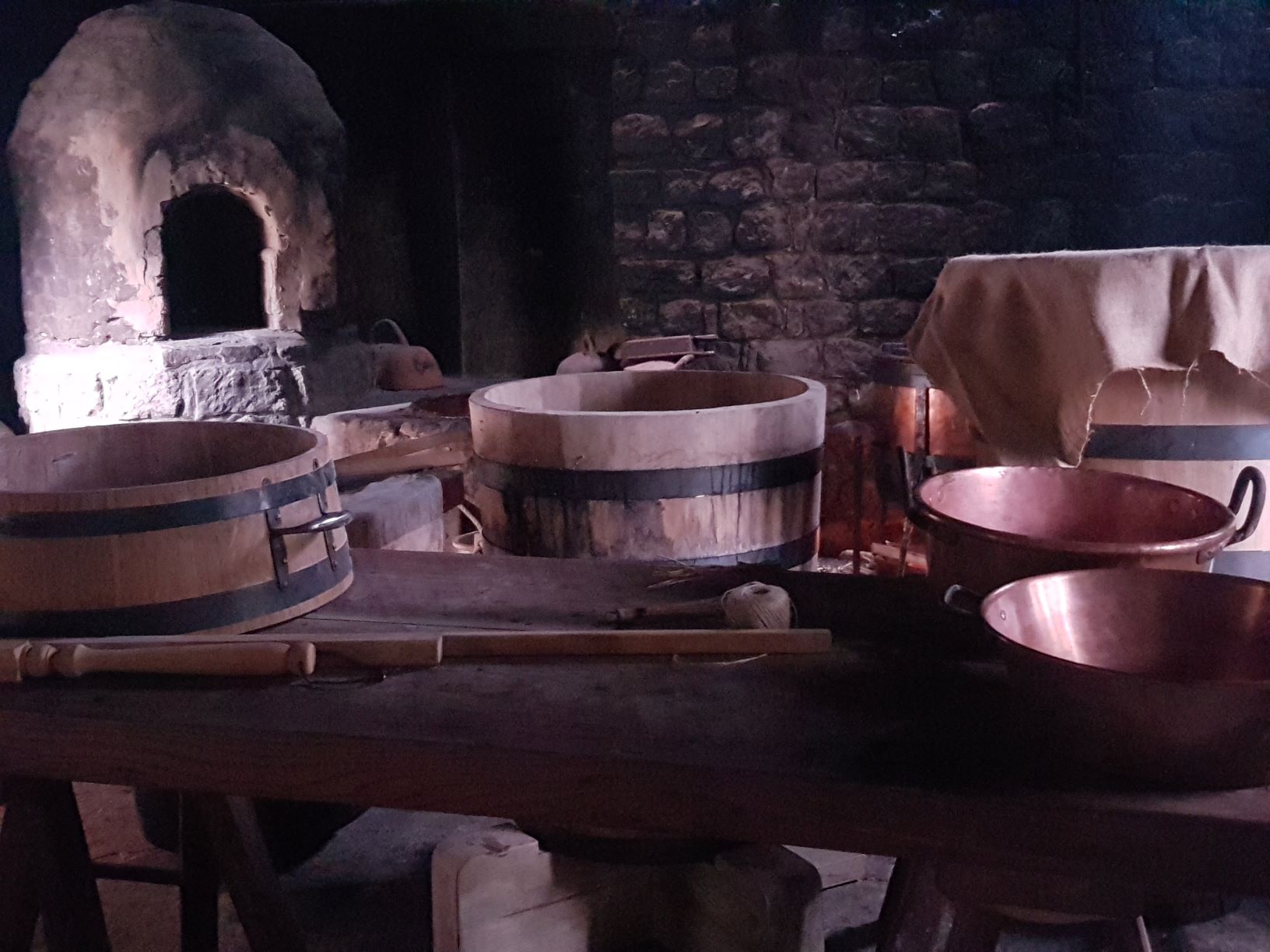
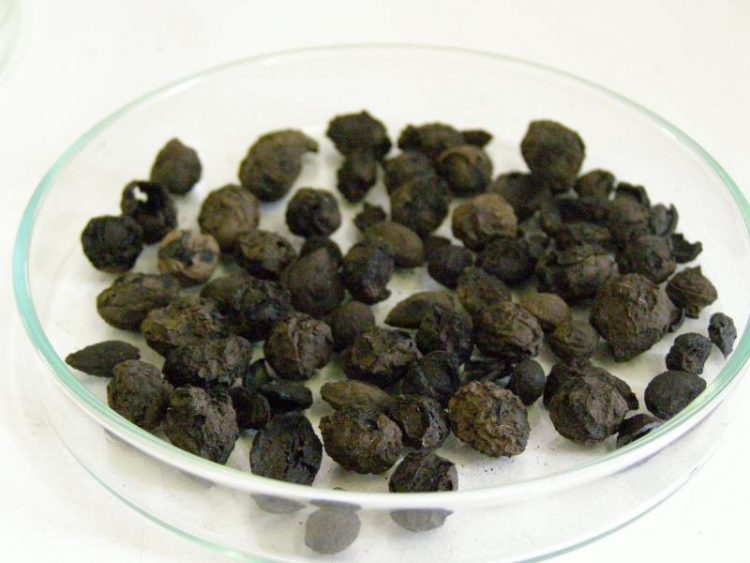
After almost three years of preparation, last week finally saw the completion of the brewing experiment at the Weald and Downland Museum. Four barrels of sixteenth-century beer are in the last stages of fermentation, having been brewed with carefully selected yeast, heritage grains, and period equipment. These will soon be moved to three different labs for analysis.
Prof John Morrissey at University College Cork, who researched and reconstituted the yeast will undertake analysis from a microbiological perspective. Prof Janet Montgomery at Durham University is examining the isotopes in the beer. She will measure the change in O-isotopes from cold water to beer. This will help better understand how oxygen isotopes are used to examine human mobility and migration. In addition, C,N and S-isotopes will be examined to better understand beer in dietary studies.
Finally, nutritional analysis is taking place at the School of Biosciences, Nottingham University, under the direction of Dr Stephen Lawrence. This will allow us to consider in great detail, the dietetic value of beer in early modern society.
The entire process has been filmed by Storylab at Anglia Ruskin University, under the direction of Dr Shreepali Patel. This film will show the immense interdisciplinary efforts involved in bringing this project to life, following the story all the way from the archive to the finished beer.
Results to follow soon…
We are pleased to announce that we will be presenting preliminary results from the project at two forthcoming conferences.
27th Annual Meeting of the European Association of Archaeologists
The conference takes place online and in Kiel, Germany. Meriel will present a paper on the emerging evidence for plant remains in the Mapping Diet database. This will focus on cereals and fruits to highlight the challenges and benefits of an interdisciplinary approach, key gaps in knowledge, and how the FoodCult project is addressing these issues.
Some of these preliminary results will also appear in a forthcoming publication:
McClatchie, Flavin and O’Carroll, “Unearthing a new food culture: fruits in early modern Ireland” in Valamoti et. al. eds. Cooking with Plants in Ancient Europe and Beyond: interdisciplinary approaches to the Archaeology of Plant Foods (Sidestone Press, forthcoming 2021)
4th Annual National Monuments Service archaeology conference: “Nexus: People and Places Through Time”
On the 18th October, Susan will present the preliminary results from the Brewing project which is due to run from 1st-19th September. The paper will focus on the interdisciplinary methods used by the team to recreate sixteenth-century beer, our findings with regards to the brewing process, and the quality of the end product, in nutritional terms.
On Tuesday March 23rd 2021, Susan will join food historians Allen J Grieco and Peter Scholliers in a panel discussion on ‘Food and Drink Cultures Through the Ages’. The discussion will be moderated by Beat Kümin, Professor of Early Modern European History and GRP thematic lead for ‘Food Cultures’ at the University of Warwick.
We are delighted to announce the publication of an article on the project’s aims and methods in the first issue of the new European Journal of Food, Drink and Society. Congratulations to Michelle Share, Máirtín Mac Con Iomaire and Dorothy Cashman on a wonderful initiative, and the team looks forward to making further contributions to the journal in the future.
On January 8th, Dr Meriel McClatchie will discuss ‘Investigating ancient foodways through environmental archaeology’ with The Royal Society of Antiquities of Ireland. Meriel’s paper will feature some interesting new findings in relation to fruit consumption in early modern Ireland, as revealed by the FoodCult database. It will also explore the benefits of interdisciplinary research for historians and archaeologists.
•Join and register here

On the 13th of December, Ellen presented her work on the ‘Mapping Diet’ database at the UCD School of Archaeology Research Day. The research day showcased the school’s diverse range of projects and was an opportunity for Ellen to share her experience of working on the project and to discuss the challenges and possibilities of working with a diverse and complex range of early modern archaeological data.

On 2nd and 3rd of December 2019, FoodCult joined the Shape-ID team at the Long Room Hub, TCD. Shape ID is an EU-funded project addressing the challenge of improving inter-and transdisciplinary cooperation between the Arts, Humanities and Social Sciences (AHSS) and other Sciences. Susan was delighted to share the approaches and methods of the FoodCult project, as a model for History/Humanities led interdisciplinary research.

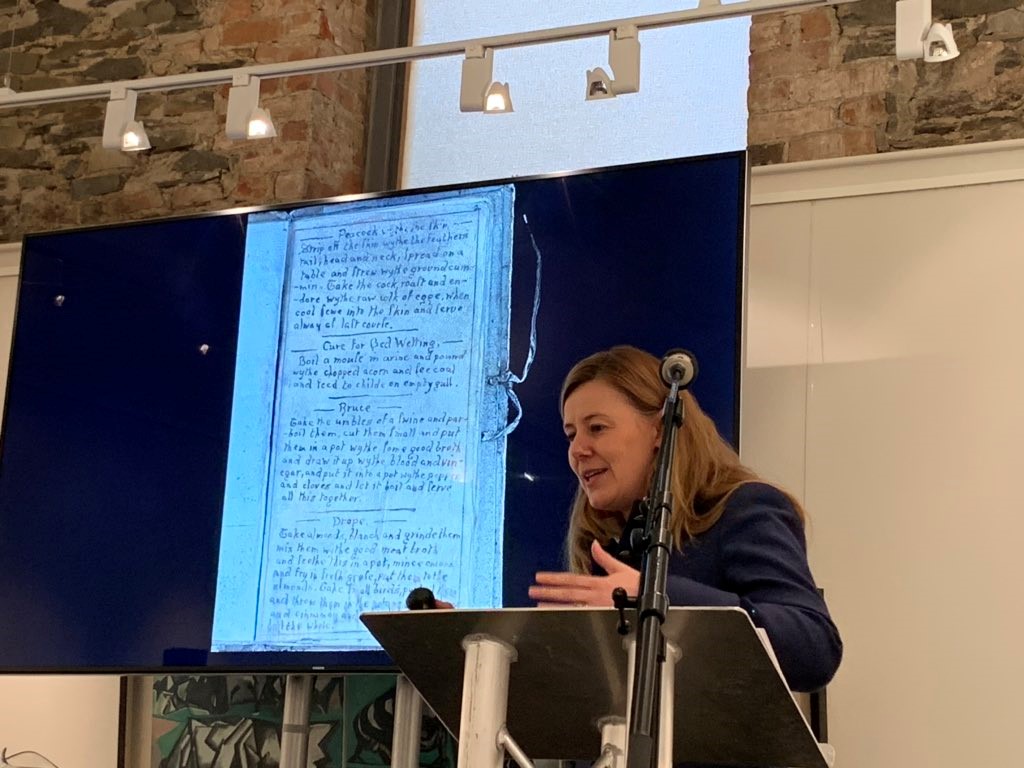

On the 5th and 6th of September, Susan brought the FoodCult Project to Northern Ireland, contributing to a collaborative cross-border reading event hosted by Lady Dufferin at the Clandeboye Estate. The event, organised by Prof Jane Ohlmeyer, in collaboration with the Aspects Literary Festival, brought together academics from the History and English departments at Trinity College Dublin and Queens University Belfast to explore the theme ‘Food for Thought’ from an interdisciplinary perspective. Susan spoke at a public lecture on the ‘History of What we Eat and Drink’. The talk explored continuity and change in diet and food-ways through time, and challenged the audience to confront a range of dietary myths and misconceptions.

On Sunday 6th October, Susan will speak about the history of what we eat and drink. The event will take place at the this years Aspects 2019 Literary Festival, held at the Clandeboye Estate, Bangor